Essential Tenancy Agreements: What Should Be in Your Contract
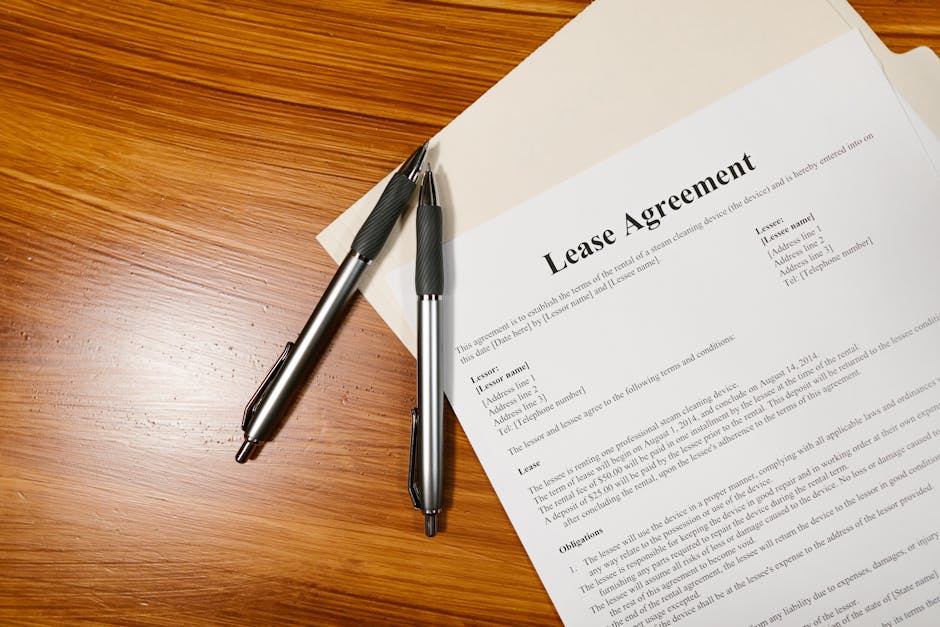
Your tenancy agreement is your legal contract with your landlord. It outlines both your rights and responsibilities. Understanding what should be included and spotting unfair terms protects you from surprises and potential disputes.
Essential information that must be included. Your tenancy agreement should clearly state: the full names of all parties (you and the landlord), the property address, the rental amount and payment date, the tenancy start and end dates, the deposit amount, and what's included in the rent (utilities, council tax, furniture, etc.). Without these basics, the agreement may not be legally valid.
Prohibited and unfair terms. Certain clauses are unenforceable. Landlords cannot ban you from having guests, working from home, or having reasonable relationships with neighbours. They cannot waive your rights to repairs or quiet enjoyment. They cannot charge you for the landlord's legal costs in disputes. If an agreement contains these, they're void regardless of whether you signed them.
Deposit protection information is crucial. The agreement must specify which scheme your deposit is held with, the prescribed information about the scheme, and how to retrieve your money. This must be provided within 30 days of payment. Without this, you have strong grounds for compensation if disputes arise.
Repair and maintenance obligations. The agreement should clarify what the landlord maintains (structure, systems, installed appliances) and what you maintain (general cleanliness, replacing light bulbs, reporting problems promptly). Vague terms can lead to disputes about who's responsible for repairs.
Notice periods for ending the tenancy. Both you and your landlord should have clear notice periods. Usually, this is one month for either party. The agreement should specify how notice is given (in writing, via email, etc.). Unclear terms can cause confusion when someone wants to leave.
House rules should be reasonable. Landlords can include rules about noise, guests, smoking, and pets. However, these must be reasonable and not restrict your rights to quiet enjoyment. Rules should be specific ("no smoking indoors" is clear; "must keep property perfectly clean" is vague and potentially unfair).
Be cautious of unusual or one-sided terms. If the agreement has clauses you don't understand, ask your landlord to explain them. If terms seem heavily weighted in the landlord's favour or restrict your legal rights, seek advice before signing. Shelter and Citizens Advice can review agreements for free.
Shared accommodation has additional terms. If you're renting a room in a shared house, check whether everyone has equal rights to shared spaces and how bills are split. Ensure it's clear whether the landlord lives in the property (which affects your legal protections).
Get everything in writing. Any verbal agreements or amendments should be confirmed in writing. If your landlord promises something verbally but it's not in the agreement, get it in writing. This prevents misunderstandings and provides evidence if disputes arise.
Keep a copy for yourself. Ensure you have a fully signed copy of the agreement from day one. You should have both the original and any amendments. If your landlord won't provide a copy, this is a red flag and may indicate the tenancy isn't properly documented.
A clear, fair tenancy agreement protects both you and your landlord by setting expectations upfront. Take time to understand your agreement before signing, and don't hesitate to seek advice if anything seems unclear or unfair.