Preparing for a Property Inspection: What Landlords Can and Cannot Check
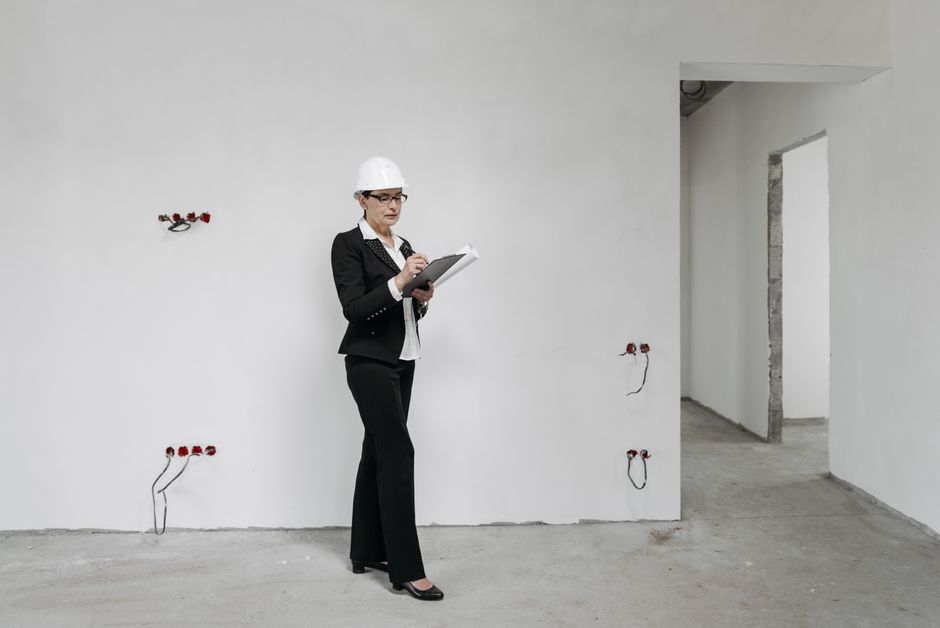
Property inspections are a normal part of renting, but many tenants feel anxious about them. Understanding what landlords can legitimately check and your rights during inspections helps you prepare confidently and ensures they conduct inspections fairly.
Landlords can inspect for legitimate reasons. These include checking the property condition, ensuring maintenance is needed, verifying no unauthorised damage has occurred, and confirming the property is being used as agreed. They cannot inspect to harass you or for reasons unrelated to their legitimate interests as property owners.
Notice requirements are strict. Your landlord must give at least 24 hours' written notice before entering. This notice should specify the date and time. They cannot simply turn up whenever they wish. The only exception is genuine emergency situations like fire, flood or gas leaks, where they can enter without notice.
You have the right to be present. Although you're not legally required to be there, it's advisable to attend inspections. Your presence protects you by allowing you to observe what's checked and challenge any inaccurate notes. If you cannot attend, ask a trusted friend or family member to be present instead.
Inspectors can check the structure and systems. This includes walls, ceilings, flooring, windows, doors, plumbing, electrics, heating, and appliances provided by the landlord. They can verify that these remain in good condition and that you've maintained them properly.
What they cannot do: inspect personal belongings. Your furniture, clothes, books and personal items are yours. Inspectors cannot search through drawers, wardrobes or cupboards. They can note the general state of rooms but cannot examine your possessions.
They cannot check for non-existent breaches. If your tenancy agreement doesn't prohibit something (like having guests or keeping pets), the landlord cannot mark you down for it during inspection. They can only check compliance with actual terms you've agreed to.
Prepare by cleaning thoroughly. Clean all surfaces, windows, and floors. Remove clutter from rooms and storage areas. Ensure the kitchen and bathroom are spotless. This demonstrates you're maintaining the property properly and protects your deposit claim later.
Document the property condition. Take dated photographs and videos before the inspection, showing the property as you maintain it. If the inspector notes damage, take photos immediately after showing the current condition. This evidence is valuable if deposit disputes arise.
Make a record of the inspection. Ask the inspector for a copy of their notes or take your own notes during the visit. If you disagree with anything recorded, note this in writing within a few days. This creates a record of your objection.
Regular inspections, conducted fairly with proper notice, help ensure both you and your landlord understand the property's condition. Being prepared and knowing your rights makes inspections straightforward rather than stressful.